



Why Conflict Escalates So Quickly in Relationships
January 7, 2026
Most couples do not argue slowly.
Conflict often jumps from mild irritation to full blown escalation in minutes. Voices rise. Defensiveness kicks in. Someone storms out or shuts down. The original issue disappears completely.
That speed feels alarming, but it makes sense.
Escalation Starts in the Nervous System
Conflict escalates quickly because the body reacts before the mind catches up.
When a partner hears criticism, dismissal, or threat, the nervous system shifts into protection. Heart rate increases. Breathing changes. Thinking narrows.
Once that happens, logic loses access.
Connection stops feeling safe. Winning or escaping takes over.
Triggers Move Faster Than Awareness
Each partner brings a history into the room.
Past experiences teach the body what danger feels like. Certain tones, phrases, or expressions activate that memory instantly.
One comment lands as an attack. Another feels like abandonment. Neither response comes from the present moment alone.
Escalation feeds on these unseen triggers.
The Argument Changes Shape Mid Stream
At the beginning, couples argue about logistics or behavior.
As escalation grows, the fight shifts to meaning.
Suddenly the conflict becomes about respect, trust, or whether someone cares at all. That shift raises the emotional stakes dramatically.
Resolution becomes harder because the issue no longer feels small or specific.
Speed Increases When Both Partners Feel Unheard
Escalation accelerates when neither person feels understood.
Each partner raises intensity to be seen. Interruption replaces listening. Defense replaces curiosity.
The conversation turns into parallel monologues rather than dialogue.
At that point, slowing down feels threatening instead of helpful.
Why Trying Harder Backfires
Many couples respond to escalation by pushing for clarity or resolution.
That effort often increases pressure. The nervous system interprets urgency as danger. The body doubles down on protection.
Calm rarely returns through force.
Safety restores it.
Slowing Conflict Requires Changing the Pattern
De escalation does not depend on saying the perfect thing.
Change starts when couples learn to recognize early activation and interrupt the cycle before intensity spikes.
That work focuses on pacing, regulation, and repair rather than content alone.
Couples therapy creates space for that shift.
If Escalation Feels Automatic
Quick escalation does not mean your relationship lacks maturity or effort.
It signals a system under stress.
Systems can change when someone helps slow them down.
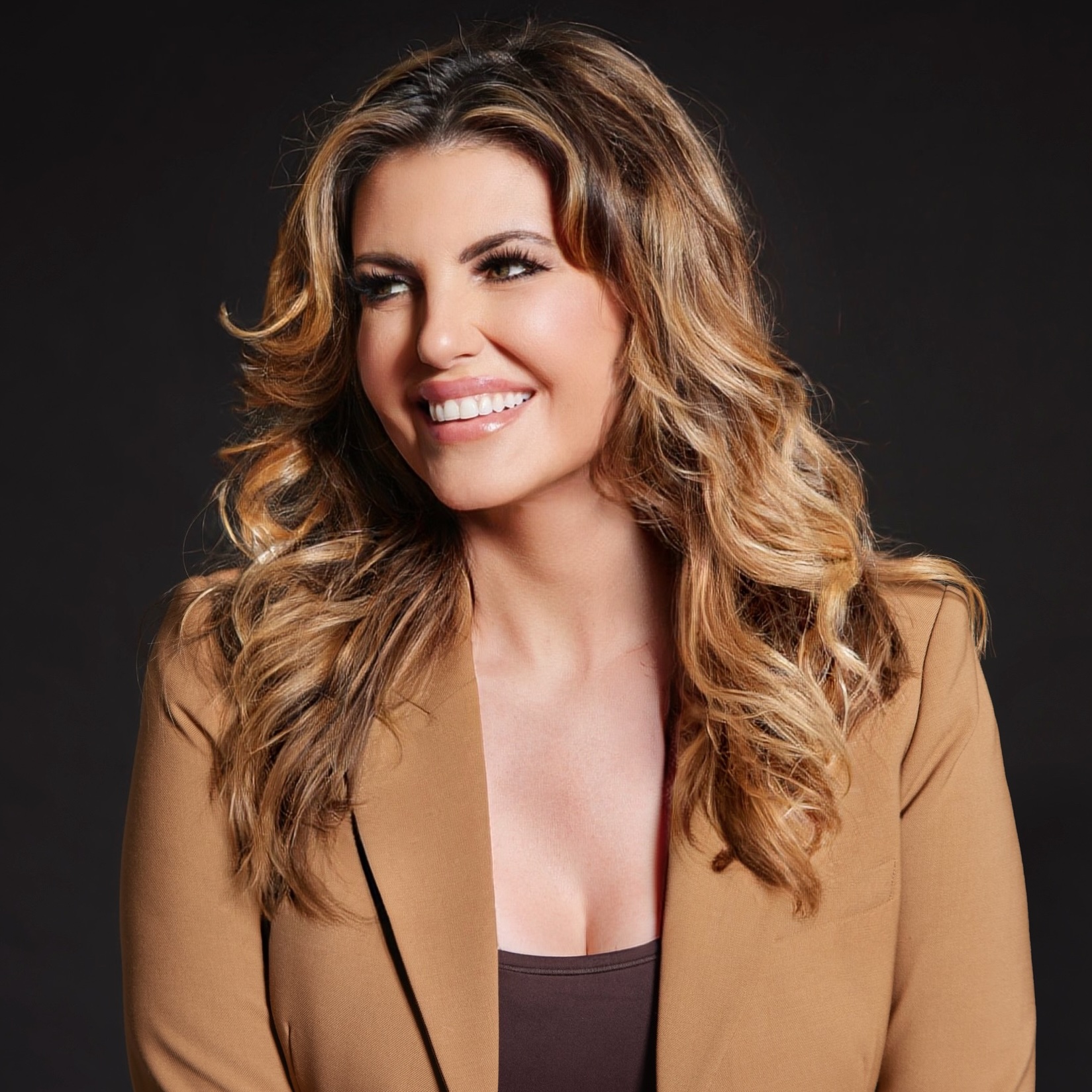
Cory is a licensed professional counselor and board-approved supervisor in Texas with extensive experience in mental health, crisis intervention, and relationship counseling. With a background in education and a Master’s in Counseling from Southern Methodist University, she specializes in supporting individuals, couples, and families. Beyond her clinical work, Cory is a dedicated community leader, having founded the nonprofit Together Richardson, acquired Richardson Living Magazine, and served on multiple leadership boards. She is passionate about blending professional expertise with faith-based mental health initiatives through her work with Beacon of Light.

Let's Begin

Better Begins
Start your journey with The Montfort Group.


