



When Communication Breaks Down in a Relationship
June 23, 2019
Most couples do not come to therapy because they forgot how to talk.
They come because talking no longer feels safe.
Conversations that once felt easy now turn sharp or silent. One person feels unheard. The other feels attacked. The same argument keeps resurfacing with different details but the same emotional ending. Over time, both partners start protecting themselves instead of the relationship.
This is not a communication problem in the way people usually think about it.
It is a relational safety problem.
Communication Is Not About Skills Alone
Many couples arrive believing they need better tools.
Better language. Better listening. Better conflict rules.
Skills matter, but they are not the starting point.
When communication breakdown happens in a relationship, it is usually because something underneath the conversation has shifted. Trust has been dented. Resentment has accumulated. Emotional bids are being missed or misunderstood. One or both partners no longer believe it is safe to be fully honest.
When safety erodes, people adapt. They withdraw. They defend. They control. They appease. These are not character flaws. They are nervous system responses inside a relationship that feels uncertain.
Until that is addressed, no script or strategy will hold.
The Patterns That Keep Couples Stuck
Most couples are caught in a pattern, not a problem.
Common patterns include:
- One partner pursuing while the other shuts down
- Cycles of criticism followed by defensiveness
- Avoidance that looks like peace but feels like distance
- Escalation that masks fear of being dismissed or abandoned
These patterns repeat because they are familiar. Familiar does not mean healthy. It means the relationship has learned how to survive under strain.
Couples therapy focuses on identifying and interrupting these cycles, not assigning blame for them.
Why Being Right Does Not Repair a Relationship
Many couples are locked in debates they think are about facts, tone, or memory.
What they are actually fighting for is recognition.
Being right feels powerful in the moment, but it rarely creates closeness. Repair comes from understanding how each person experiences the relationship, not from proving who is correct.
Real communication begins when both partners shift from defending their position to becoming curious about the impact they are having on one another.
That shift is difficult without support, especially when emotions are already high.
What Healthy Communication Actually Looks Like
Healthy communication is not conflict free.
It is repair focused.
It includes:
- The ability to stay present during discomfort
- Willingness to take responsibility for impact, not just intention
- Capacity to listen without immediately correcting or countering
- Commitment to addressing issues before resentment hardens
Most importantly, healthy communication restores a sense of being on the same team, even during disagreement.
This does not happen overnight. It develops through consistency, accountability, and guided practice.
Understanding Conflict, Patterns, and Repair
Conflict in relationships rarely escalates because of one conversation or one mistake. Patterns form when emotional reactions move faster than understanding, and couples often find themselves repeating the same fights without knowing why. When communication breaks down this way, it can help to look more closely at how couples attempt repair after a fight, why avoidance that looks like peace slowly erodes connection, and what happens when communication feels unsafe enough that even honest conversation triggers fear or shutdown.
When Couples Therapy Helps Most
Couples therapy is most effective when partners are willing to look at the relationship, not just the other person.
It helps when couples:
- Feel stuck in recurring arguments
- Notice emotional distance growing
- Struggle to recover after conflict
- Want to strengthen the relationship before a crisis hits
- Care deeply but no longer feel connected
Therapy is not about deciding who is at fault.
It is about understanding what the relationship needs in order to function differently.
Communication Is the Symptom, Not the Root
If your conversations feel tense, avoidant, or unproductive, something important is trying to get your attention.
Communication breakdown is often the first visible sign that a relationship needs care, not judgment. Addressing it early protects connection. Waiting until resentment or disengagement takes over makes repair harder but not impossible.
Relationships do not fail because people stop talking.
They struggle because people stop feeling understood.
With the right support, communication can become a place of reconnection rather than conflict.
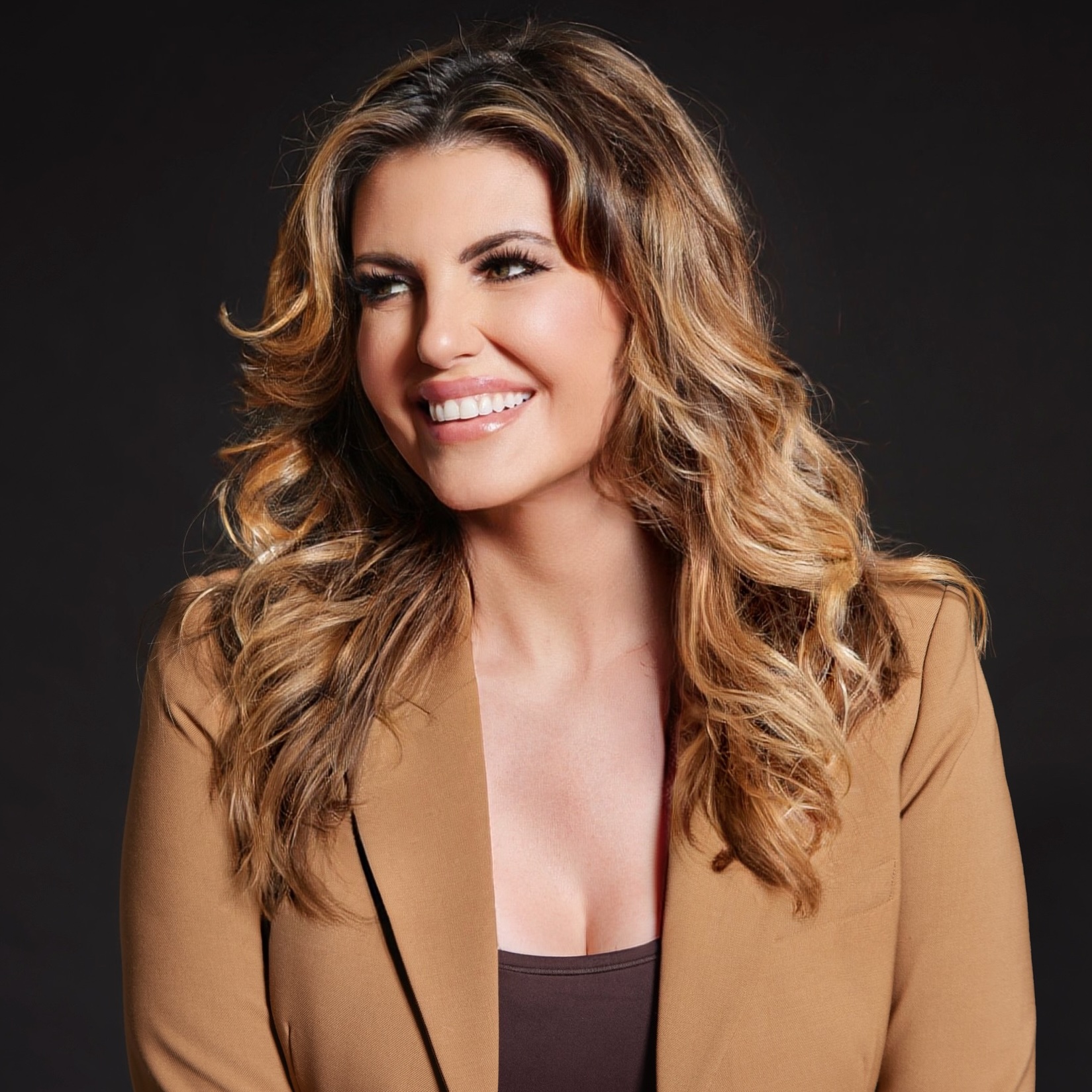
Cory is a licensed professional counselor and board-approved supervisor in Texas with extensive experience in mental health, crisis intervention, and relationship counseling. With a background in education and a Master’s in Counseling from Southern Methodist University, she specializes in supporting individuals, couples, and families. Beyond her clinical work, Cory is a dedicated community leader, having founded the nonprofit Together Richardson, acquired Richardson Living Magazine, and served on multiple leadership boards. She is passionate about blending professional expertise with faith-based mental health initiatives through her work with Beacon of Light.

Let's Begin

Better Begins
Start your journey with The Montfort Group.


