



The Difference Between Responsibility and Over-functioning
January 6, 2026
Responsibility and overfunctioning look similar on the outside.
Both involve competence, follow through, and care for outcomes.
Internally, they are not the same thing at all.
Responsibility comes from role clarity and choice.
Overfunctioning comes from pressure, fear, or unspoken expectations.
Leaders often confuse the two because overfunctioning gets rewarded early. It solves problems quickly. It keeps systems moving. It prevents mess. Over time, it creates exhaustion, resentment, and distorted relationships.
Responsibility Has Edges
Healthy responsibility has limits.
It knows where your role begins and where it ends.
A responsible leader holds accountability for decisions, direction, and impact. They stay engaged without absorbing everything emotionally. They allow others to struggle, learn, and carry their share of weight.
Responsibility still requires effort, but it does not require self abandonment.
Over-functioning ignores edges entirely.
Over-functioning Is a Relational Pattern
Overfunctioning shows up when someone consistently does more than their share to stabilize a system. That system might be a workplace, a family, or a partnership.
The overfunctioning person anticipates needs before they are voiced. They prevent consequences from landing. They absorb emotional discomfort to keep things smooth.
On the surface, this looks like leadership. Underneath, it is often anxiety driven.
The system adapts accordingly.
Others step back. Accountability shifts quietly. Dependence increases. The overfunctioner becomes indispensable and depleted at the same time.
That dynamic rarely gets named because it works. Until it does not.
Why Leaders Slip Into Over-functioning
Many leaders learned early that competence equals safety. They became reliable because reliability reduced chaos, criticism, or conflict. That strategy worked long before leadership titles entered the picture.
When those individuals step into authority, old patterns intensify. The stakes feel higher. More people depend on outcomes. The internal rule becomes simple.
If I do not handle this, something will fall apart.
That belief fuels overfunctioning while disguising itself as dedication.
The cost shows up later as burnout, irritability, and a sense that leadership never turns off.
Responsibility Builds Capacity
Overfunctioning Erodes It
Responsibility strengthens systems over time. It creates shared ownership and clearer roles. People grow into what is expected of them.
Overfunctioning does the opposite.
It quietly teaches others to disengage. It narrows collaboration. It keeps leaders stuck in execution instead of vision. Emotional fatigue increases while actual authority decreases.
Leaders then feel lonely, frustrated, and misunderstood without knowing why.
The issue is not leadership itself.
The issue is carrying more than the role requires.
What Shifting Looks Like
Moving from overfunctioning into responsibility does not mean doing less. It means doing differently.
Leaders begin to tolerate discomfort instead of rushing to fix it. They allow gaps to be visible. They name expectations clearly and stop compensating when others avoid responsibility.
This shift often feels destabilizing at first. Systems resist change. People test boundaries. The leader has to regulate their own anxiety instead of managing everyone else’s.
That work requires support.
Overfunctioning patterns rarely unwind through insight alone. They unwind through sustained reflection, accountability, and relational recalibration.
Leadership becomes lighter not because it matters less, but because it finally fits.
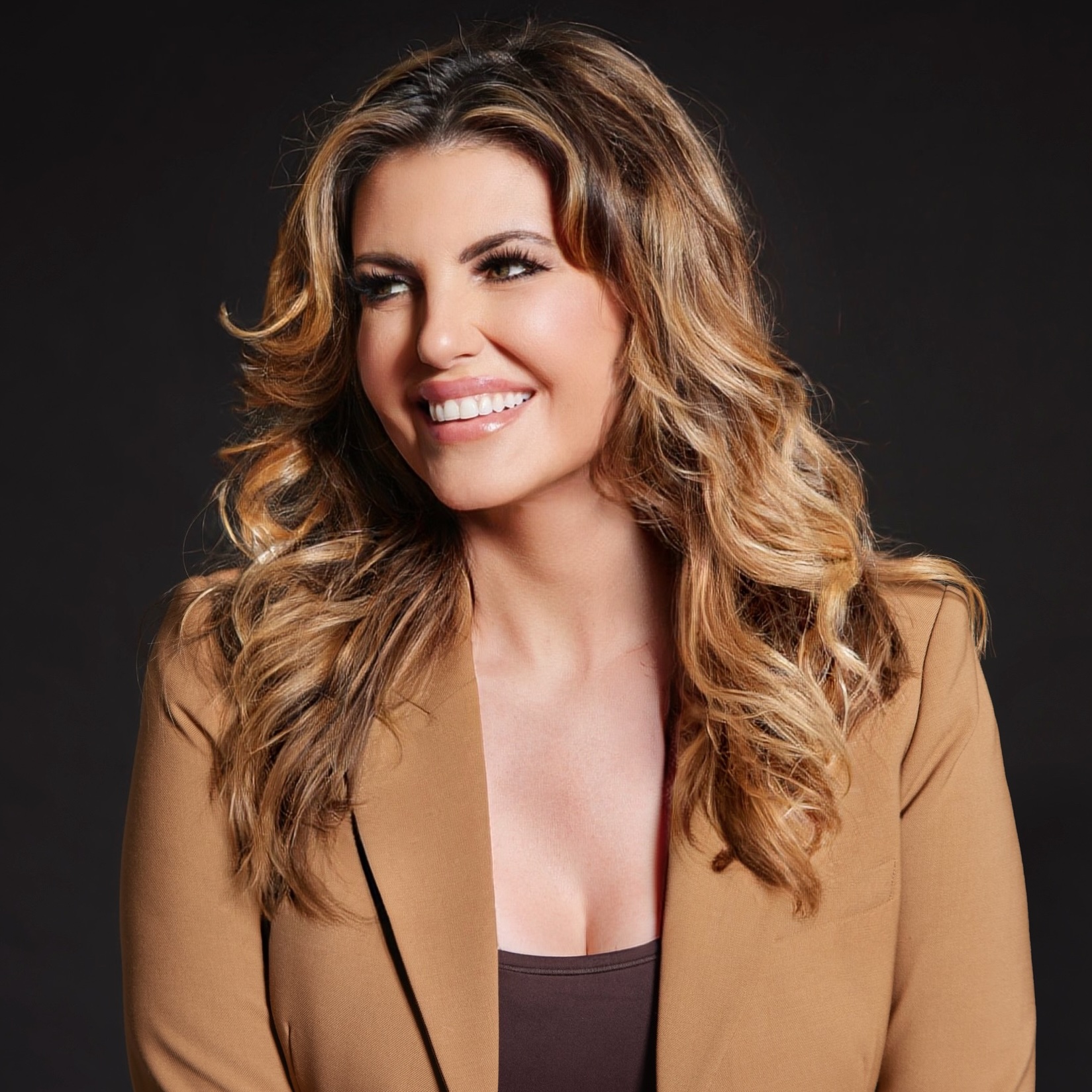
Cory is a licensed professional counselor and board-approved supervisor in Texas with extensive experience in mental health, crisis intervention, and relationship counseling. With a background in education and a Master’s in Counseling from Southern Methodist University, she specializes in supporting individuals, couples, and families. Beyond her clinical work, Cory is a dedicated community leader, having founded the nonprofit Together Richardson, acquired Richardson Living Magazine, and served on multiple leadership boards. She is passionate about blending professional expertise with faith-based mental health initiatives through her work with Beacon of Light.

Let's Begin

Better Begins
Start your journey with The Montfort Group.


