



The Pursue Withdraw Pattern in Relationships
January 3, 2026
If one of you is always pushing for conversation and the other is always pulling away, you are not incompatible.
You are likely stuck in the pursue withdraw pattern.
This is one of the most common relational cycles couples experience and one of the most misunderstood.
What the Pattern Looks Like
In this pattern, one partner becomes anxious about connection and moves toward the relationship by asking questions, raising concerns, or pushing for resolution.
The other partner feels overwhelmed or pressured and moves away by shutting down, changing the subject, getting defensive, or physically withdrawing.
The more one pursues, the more the other withdraws.
The more one withdraws, the more the other escalates.
Both are reacting out of stress.
Both believe they are protecting the relationship.
Why Talking More Does Not Fix It
This pattern is not caused by poor communication skills. It is driven by nervous system responses.
The pursuing partner often experiences distance as danger. Silence feels like rejection or abandonment. Moving toward the issue feels necessary for safety.
The withdrawing partner often experiences intensity as threat. Conversation feels like criticism or emotional flooding. Pulling away feels like self preservation.
So when couples are told to just communicate better, they unknowingly intensify the very thing keeping them stuck.
The Hidden Cost of the Pattern
Over time, both partners feel unseen.
The pursuing partner feels:
Ignored
Unimportant
Emotionally alone
The withdrawing partner feels:
Never enough
Chronically criticized
Emotionally cornered
Neither is wrong.
Both are exhausted.
Why Insight Alone Is Not Enough
Many couples can identify this pattern once it is named. They can say, “That is us.”
And still feel completely unable to stop it.
That is because the pursue withdraw cycle lives below logic. It activates faster than thought.
Breaking it requires slowing the interaction down enough to change how each person responds under stress, not just what they say.
How Therapy Helps Interrupt the Cycle
In couples therapy, the goal is not to pick a side or force compromise.
The work is to:
- Identify the cycle as the enemy, not each other
- Increase tolerance for emotional closeness without pressure
- Create safety for expression without pursuit or shutdown
- Help both partners stay present without self abandoning
When the pattern loosens, communication improves naturally. Not because anyone tried harder, but because the system finally feels safer.
If This Feels Familiar
If reading this feels uncomfortably accurate, that is not a bad sign. It means your relationship has a pattern, not a fatal flaw.
Patterns can be changed.
But they rarely change on their own.
That is where support matters.
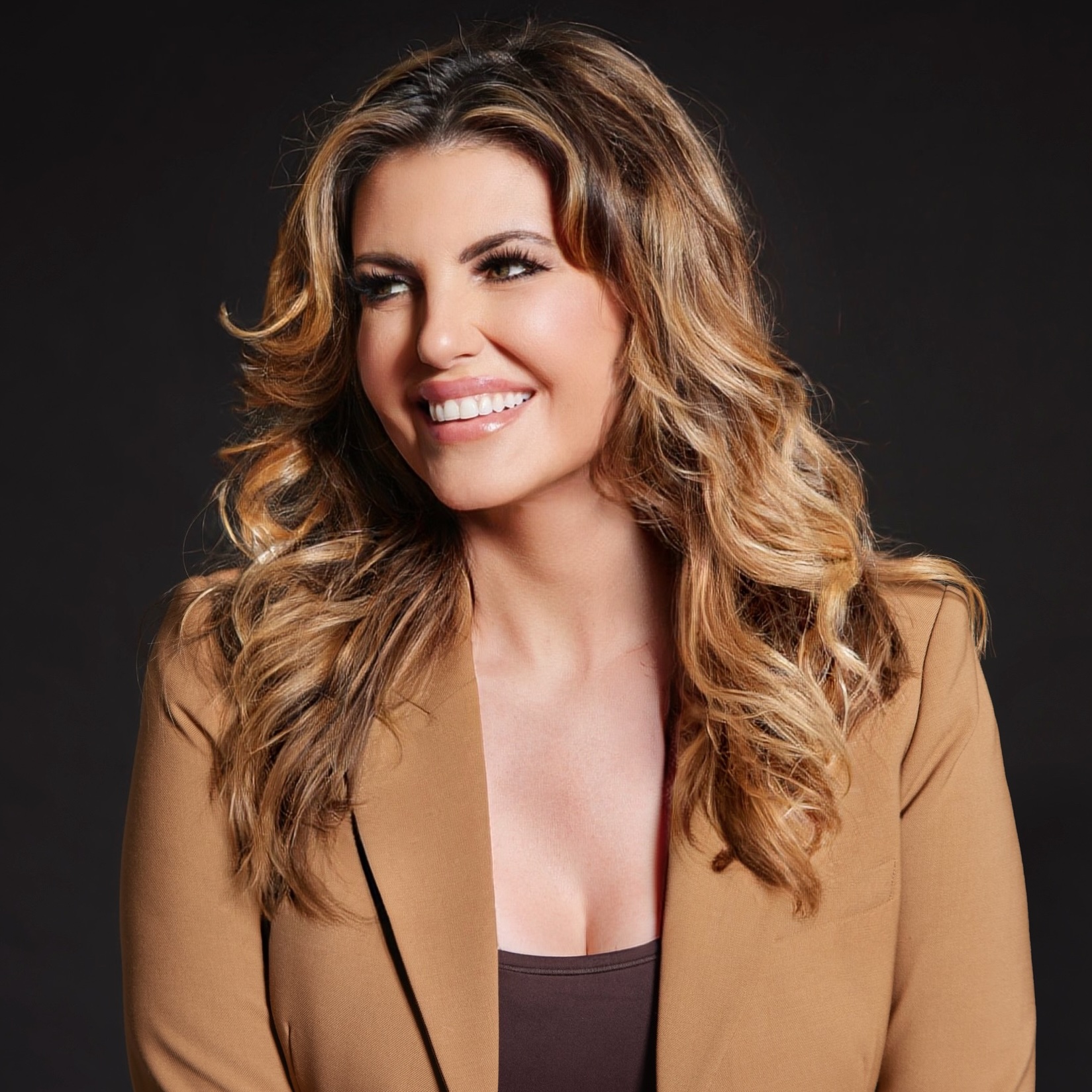
Cory is a licensed professional counselor and board-approved supervisor in Texas with extensive experience in mental health, crisis intervention, and relationship counseling. With a background in education and a Master’s in Counseling from Southern Methodist University, she specializes in supporting individuals, couples, and families. Beyond her clinical work, Cory is a dedicated community leader, having founded the nonprofit Together Richardson, acquired Richardson Living Magazine, and served on multiple leadership boards. She is passionate about blending professional expertise with faith-based mental health initiatives through her work with Beacon of Light.

Let's Begin

Better Begins
Start your journey with The Montfort Group.


