



Patterns You Did Not Choose but Keep Repeating
January 5, 2026
Most people believe their patterns reflect conscious choices.
They assume habits, reactions, and relationship dynamics come from preference or personality. That explanation sounds logical, but it rarely holds up under closer inspection. Many of the patterns that cause the most distress were never chosen at all.
They were learned.
How Patterns Form Without Permission
Patterns develop early and quietly. They form through repeated experiences rather than deliberate decisions. The nervous system adapts to what it encounters most often, especially in relationships that mattered.
A child learns when to speak, when to stay quiet, when to perform, and when to disappear. Over time, those responses become automatic. No one pauses to evaluate them. Survival rewards them.
Later in life, the same responses show up in adult relationships, careers, and self talk. People call them personality traits, but they operate more like internal rules.
Why Awareness Alone Does Not Stop a Pattern
Insight often starts with recognition.
Someone notices they always over explain. Another person realizes they avoid conflict until resentment builds. A familiar cycle appears again, despite a clear intention to behave differently.
Recognition helps, but it does not interrupt the pattern by itself. Patterns live in emotional memory and nervous system responses, not just in conscious thought. Change requires more than knowing what is happening.
It requires understanding why the pattern exists and what it protects.
Patterns Usually Protect Something Important
Repeating patterns serve a purpose, even when they cause harm.
A people pleasing pattern may protect connection. Emotional withdrawal may protect safety. Over functioning may protect stability. Avoidance may protect against loss.
When therapy skips this layer, patterns tighten. When therapy explores it, space opens for choice.
Understanding protection allows the nervous system to loosen its grip. Without that understanding, the pattern feels necessary, even when it causes pain.
Why Patterns Repeat in Relationships First
Relationships activate patterns faster than any other context.
Intimacy, authority, dependence, and conflict recreate early dynamics automatically. People often say they keep ending up with the same partner type or the same relational conflict. That repetition does not come from poor judgment.
It comes from familiarity.
The nervous system recognizes what it knows, even when it hurts. Therapy that focuses on self understanding and growth helps identify these relational loops without blame or shame.
Insight Turns Repetition Into Choice
Insight oriented therapy does not aim to eliminate patterns overnight. It aims to make them visible, understandable, and negotiable.
As insight develops:
- Reactions slow down
- Emotional responses make sense
- Shame decreases
- Options increase
Choice becomes possible when understanding replaces self criticism.
Why Patterns Feel Hard to Change at First
Pattern work feels uncomfortable because it challenges identity.
People often say, “This is just how I am.” That statement usually reflects adaptation, not truth. Letting go of a pattern can feel like losing protection, even when the protection no longer fits.
Good therapy respects that fear. It moves slowly enough for safety and steadily enough for change.
When Repeating Patterns Signal Readiness for Deeper Work
Repeated patterns often indicate readiness, not failure.
Deeper work may be appropriate if:
- You recognize cycles but cannot interrupt them
- Relationships trigger intense reactions
- You feel stuck despite effort
- Insight feels more important than symptom relief
- Consistency feels possible rather than threatening
Readiness shows up as curiosity, not urgency.
Therapy Is Not About Blaming the Past
Pattern work does not assign fault. It builds understanding.
Most people did the best they could with what they had. Therapy helps update those strategies when they no longer serve the present.
When patterns become conscious and understood, they lose control. New responses emerge without force.
If you feel caught in cycles you never chose but keep repeating, insight oriented therapy offers a way forward that honors both protection and growth.
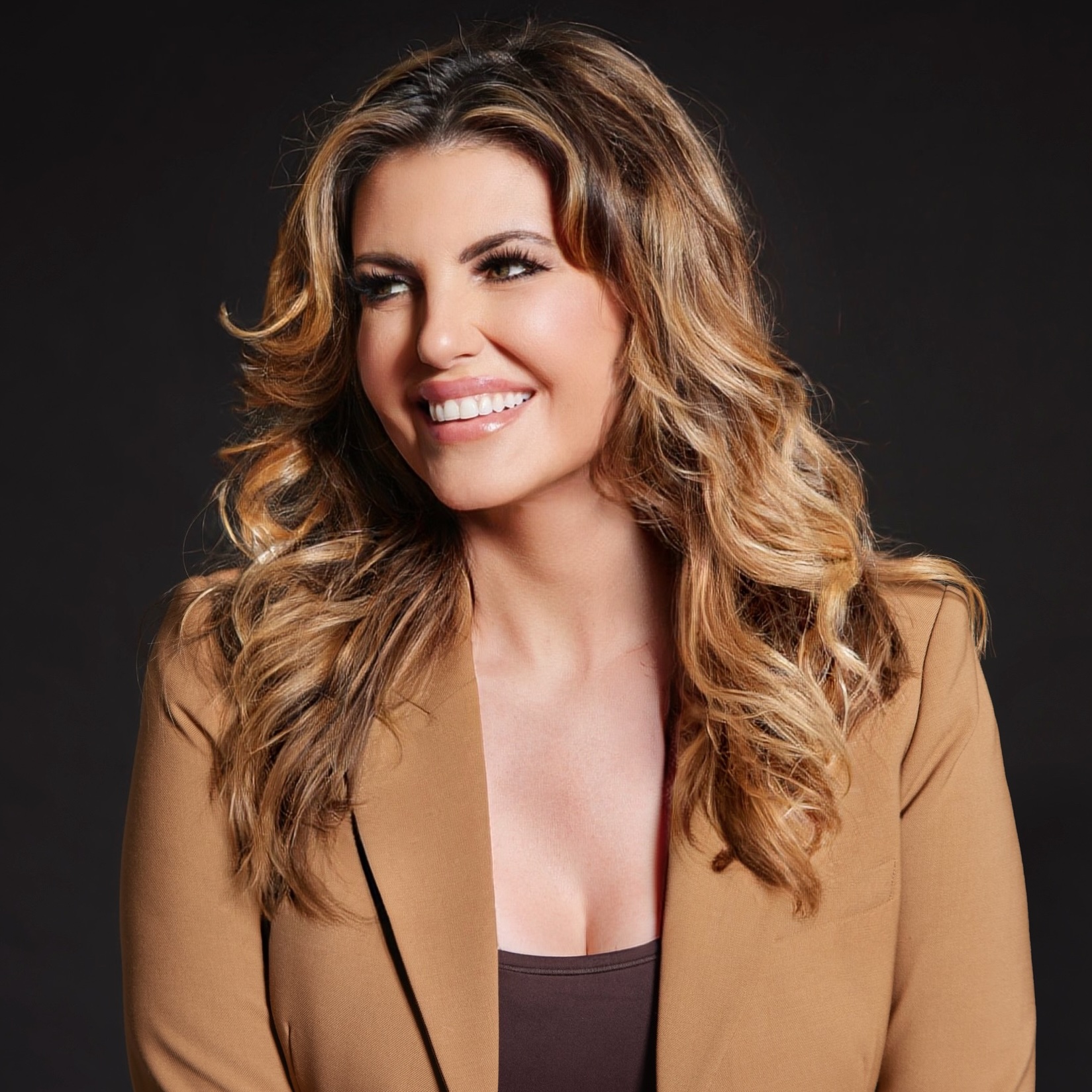
Cory is a licensed professional counselor and board-approved supervisor in Texas with extensive experience in mental health, crisis intervention, and relationship counseling. With a background in education and a Master’s in Counseling from Southern Methodist University, she specializes in supporting individuals, couples, and families. Beyond her clinical work, Cory is a dedicated community leader, having founded the nonprofit Together Richardson, acquired Richardson Living Magazine, and served on multiple leadership boards. She is passionate about blending professional expertise with faith-based mental health initiatives through her work with Beacon of Light.

Let's Begin

Better Begins
Start your journey with The Montfort Group.


