



Blended Families and Belonging
January 23, 2026
Blended families do not struggle because they lack love.
They struggle because belonging develops slowly.
Step families form through loss, transition, and hope at the same time. Adults often expect connection to follow intention. Children experience the process differently. Without space for gradual belonging, families feel pressure to perform closeness before trust exists.
Belonging Cannot Be Forced
Belonging grows through consistency, not compliance.
Children notice effort before they offer attachment.
Expecting immediate connection creates resistance. Loyalty binds children to their original family system even when new relationships feel safe. Adults may interpret hesitation as rejection, increasing emotional strain.
Time builds trust. Pressure breaks it.
Loyalty Conflicts Shape Behavior
Children in blended families often hold divided loyalty.
That tension shapes behavior long before it becomes verbal.
Affection toward a step parent can feel like betrayal of a biological parent. Withdrawal, testing boundaries, or emotional distance often reflect internal conflict rather than defiance. Adults who understand loyalty dynamics respond with steadiness instead of correction.
Understanding prevents escalation.
Adults Carry Competing Roles
Adults in blended families juggle partner, parent, and step parent roles simultaneously.
Those roles rarely align naturally.
Biological parents may feel protective or guilty. Step parents often feel invisible or over responsible. When adults attempt to fix belonging quickly, children feel pressured and adults feel rejected.
Clarity around role expectations reduces emotional burnout.
The Family System Needs New Agreements
Blended families require intentional restructuring.
Old rules rarely transfer cleanly.
Household expectations, discipline roles, emotional authority, and boundaries need explicit agreement. Without clarity, families default to conflict or avoidance. Predictability creates safety even when connection feels tentative.
Structure supports belonging before affection does.
Belonging Develops in Stages
Belonging emerges through repeated, low pressure interactions.
Small moments matter more than big gestures.
Shared routines, respect for boundaries, and emotional neutrality often precede warmth. Families that allow connection to unfold naturally experience stronger long term stability.
Patience protects relationships.
Support Helps Families Normalize the Process
Support for blended families does not rush bonding.
It normalizes the pace of belonging.
Therapy helps families name loyalty conflicts, clarify roles, and reduce misinterpretation. When adults regulate expectations, children feel safer exploring connection. Belonging grows when pressure lifts.
Blended families succeed through steadiness, not speed.
Women navigating blended family transitions may benefit from supportive therapy with Angela Johnson.
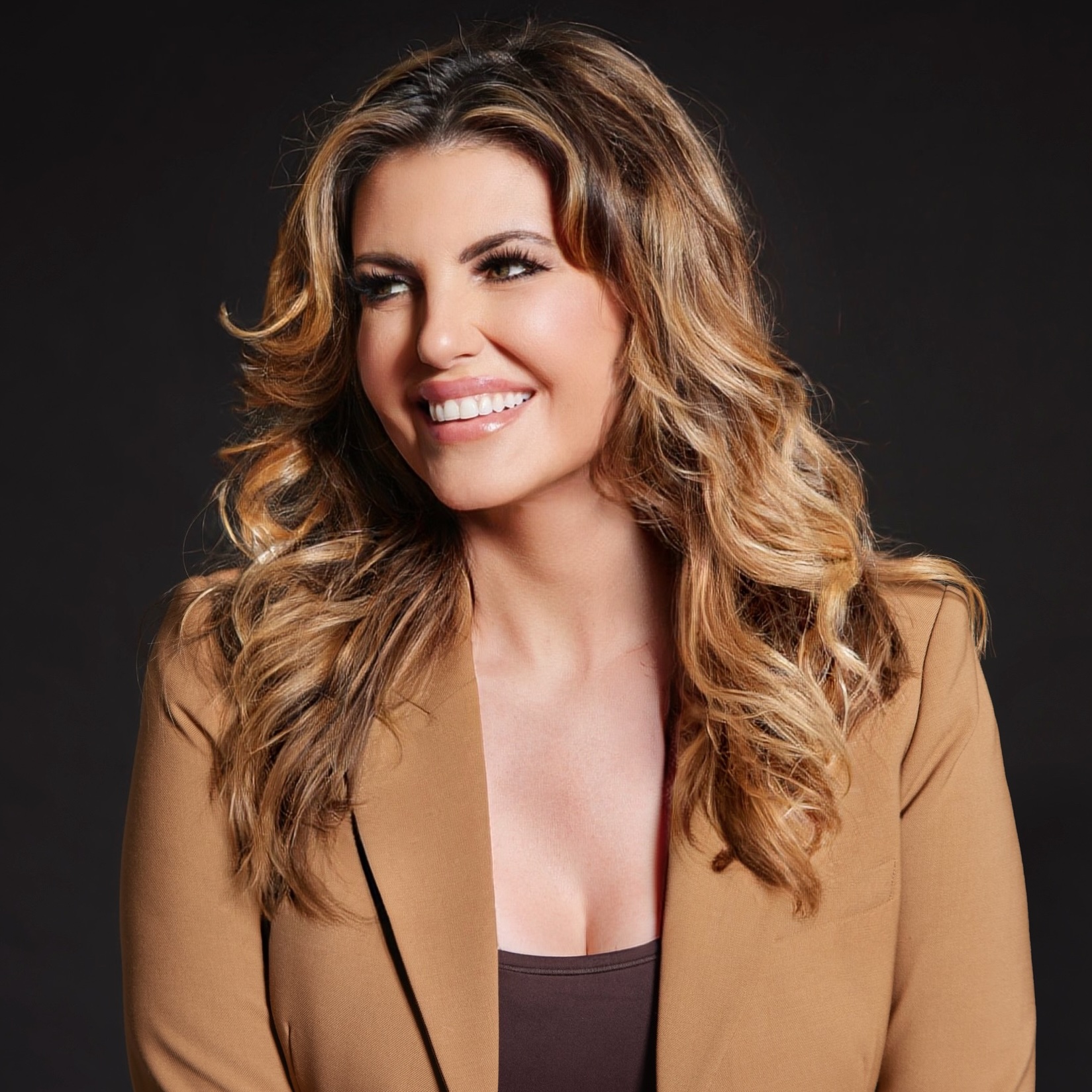
Cory is a licensed professional counselor and board-approved supervisor in Texas with extensive experience in mental health, crisis intervention, and relationship counseling. With a background in education and a Master’s in Counseling from Southern Methodist University, she specializes in supporting individuals, couples, and families. Beyond her clinical work, Cory is a dedicated community leader, having founded the nonprofit Together Richardson, acquired Richardson Living Magazine, and served on multiple leadership boards. She is passionate about blending professional expertise with faith-based mental health initiatives through her work with Beacon of Light.

Let's Begin

Better Begins
Start your journey with The Montfort Group.


