



Caring for Aging Parents and Role Reversal
January 15, 2026
Caring for aging parents changes a family quietly at first. The experience can feel like a role reversal, as adult children find themselves caring for aging parents in new ways.
Then everything shifts at once.
What begins as helping with appointments, finances, or logistics often evolves into emotional responsibility, decision making, and authority reversal. Many adults feel unprepared for how destabilizing this transition becomes. The strain does not come from lack of love. It comes from identity disruption inside a long established family system.
Role Reversal Disrupts Family Identity
Families organize around generational roles for decades.
Aging reverses those roles faster than families expect.
Adult children step into protector, manager, or caregiver positions. Parents lose autonomy before they lose relationship. The system resists the change even when care becomes necessary. Tension rises when identity shifts without shared language.
Confusion often precedes acceptance.
Guilt Complicates Decision Making
Caregiving decisions rarely feel clean.
Guilt enters every conversation.
Adult children struggle to balance responsibility with resentment. Parents experience shame, grief, or anger as independence fades. Families mistake emotional conflict for disagreement when grief actually drives the tension.
Unacknowledged guilt stalls progress.
Siblings React Differently to Caregiving Roles
Caregiving rarely distributes evenly among siblings.
Differences surface quickly.
One sibling may overfunction. Another may withdraw. Old family dynamics reemerge under pressure. Without explicit conversation, resentment grows quietly. Families fracture when assumptions replace communication.
Clarity prevents long term relational damage.
Parents Grieve Loss of Control
Aging parents do not only grieve physical decline.
They grieve authority.
Loss of control often triggers defensiveness, resistance, or withdrawal. Adult children interpret these reactions as stubbornness rather than grief. When families recognize grief beneath behavior, compassion replaces escalation.
Understanding stabilizes interaction.
The Family System Needs New Boundaries
Caregiving requires new boundaries to protect everyone involved.
Old rules no longer apply.
Adult children must define limits around time, finances, and emotional responsibility. Parents need dignity preserved alongside safety. Without boundaries, burnout becomes inevitable.
Boundaries sustain care rather than diminish it.
Support Helps Families Navigate the Transition Together
Support during caregiving transitions does not remove responsibility.
It helps families navigate role reversal with intention.
Therapy supports adult children in managing guilt, grief, and identity shifts. Parents gain space to process loss without losing connection. Families develop communication that honors autonomy while protecting safety.
Care does not require self erasure.
Role reversal requires integration, not control.
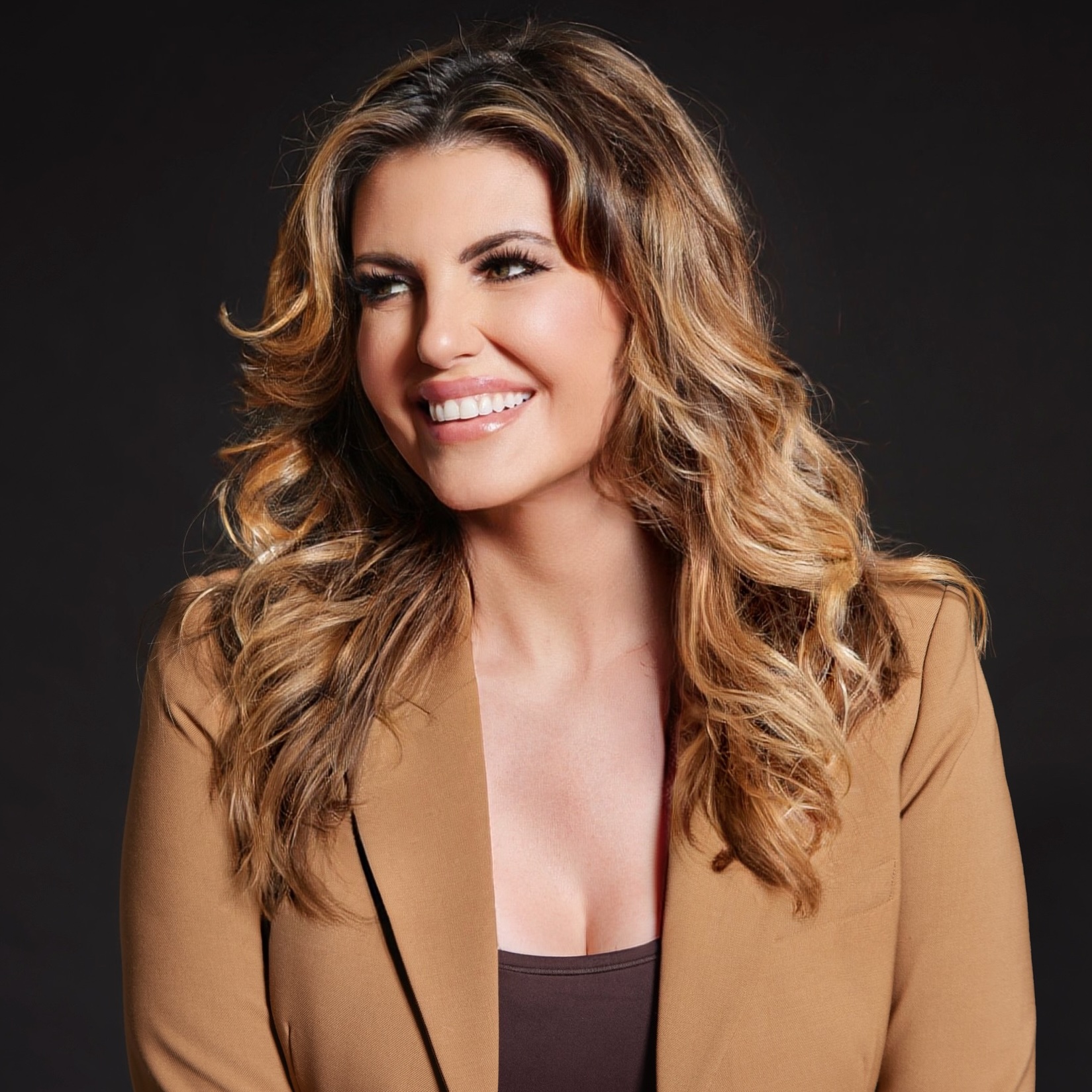
Cory is a licensed professional counselor and board-approved supervisor in Texas with extensive experience in mental health, crisis intervention, and relationship counseling. With a background in education and a Master’s in Counseling from Southern Methodist University, she specializes in supporting individuals, couples, and families. Beyond her clinical work, Cory is a dedicated community leader, having founded the nonprofit Together Richardson, acquired Richardson Living Magazine, and served on multiple leadership boards. She is passionate about blending professional expertise with faith-based mental health initiatives through her work with Beacon of Light.

Let's Begin

Better Begins
Start your journey with The Montfort Group.


