



Why Healing Feels Worse Before It Feels Better
January 10, 2026
Most people expect healing to bring relief. They anticipate clarity, calm, or at least a sense that something is finally easing. Instead, many people feel more emotional, more unsettled, or more aware of pain they believed they had already resolved. That disconnect often triggers doubt about therapy itself.
This experience is not a sign that healing is failing. It is one of the most common early phases of real therapeutic change.
Healing Disrupts What Used to Keep You Functioning
Before healing begins, most people survive by adapting. You compartmentalize emotions, stay productive, minimize conflict, or push through discomfort. Those strategies work until they quietly stop working.
Therapy interrupts these adaptations. That interruption removes familiar emotional buffers before new ones form. When those buffers fall away, feelings that were managed or muted rise quickly. The system feels louder because it no longer relies on avoidance to stay regulated.
Awareness Often Increases Before Relief Arrives
Early healing tends to expand awareness faster than capacity. You start noticing patterns you previously overlooked. You see how relationships affect you. You recognize the cost of staying small or silent.
That awareness feels heavy when it arrives without tools for integration. Insight creates friction when you know what is happening but have not yet learned how to respond differently. This stage feels uncomfortable because it lives in the middle, not because it signals regression.
Old Pain Surfaces When Safety Increases
Many clients feel surprised by the intensity of emotions that appear once therapy begins. Those emotions did not suddenly develop. They waited for conditions that allowed them to exist without being dismissed or rushed away.
When safety increases, the nervous system releases stored material. Grief, anger, fear, and sadness often surface together. Safety does not feel calm at first. Safety allows truth, and truth can feel overwhelming before it feels organizing.
Healing Challenges Identity, Not Just Symptoms
As healing deepens, it often unsettles how you see yourself. The reliable one. The strong one. The one who does not need much. Letting go of those roles can feel destabilizing even when they no longer fit.
Growth asks you to tolerate uncertainty before it offers coherence. Many people interpret this identity shift as losing ground. In reality, it reflects movement away from survival and toward choice.
Why This Phase Matters
The stage where healing feels worse is not a detour. It is a threshold. People who leave therapy here often believe they chose the wrong approach or that something went wrong.
More often, they reached the exact point where real change begins. With appropriate pacing, support, and fit, capacity catches up. Relief follows not because pain disappears, but because it no longer runs the system.
Healing does not move in a straight line. It moves in layers. When it feels harder before it feels better, something meaningful is usually unfolding.
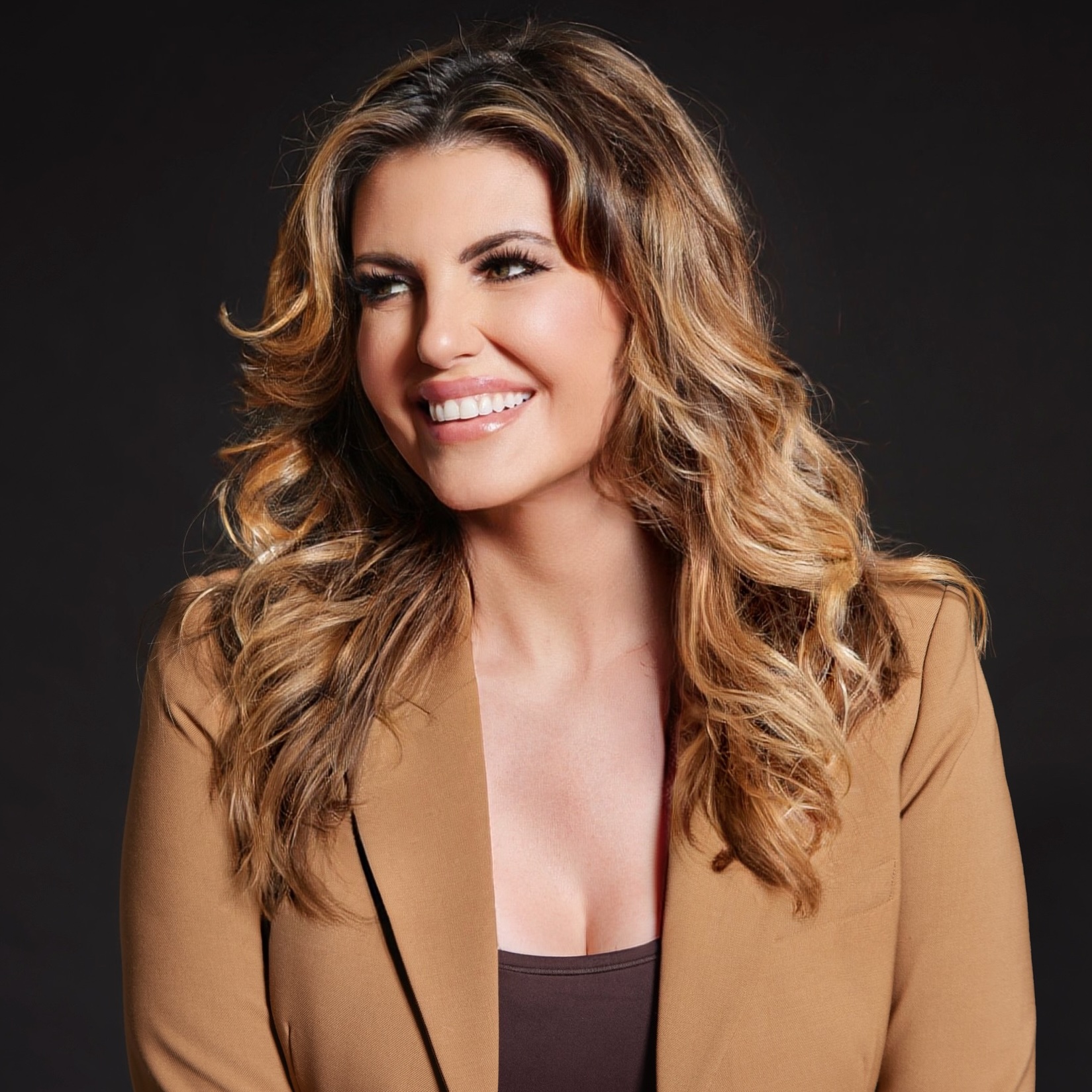
Cory is a licensed professional counselor and board-approved supervisor in Texas with extensive experience in mental health, crisis intervention, and relationship counseling. With a background in education and a Master’s in Counseling from Southern Methodist University, she specializes in supporting individuals, couples, and families. Beyond her clinical work, Cory is a dedicated community leader, having founded the nonprofit Together Richardson, acquired Richardson Living Magazine, and served on multiple leadership boards. She is passionate about blending professional expertise with faith-based mental health initiatives through her work with Beacon of Light.

Let's Begin

Better Begins
Start your journey with The Montfort Group.


