



Known by Everyone, Understood by Almost No One
June 1, 2026
You are at a dinner table somewhere in Plano, maybe Legacy West, maybe someone’s backyard, and the conversation is good. People laugh at your stories. Someone asks your opinion and actually waits for the answer. You drive home thinking the evening went well, and it did. But somewhere on the tollway between the restaurant and your driveway, a quieter thought slides in. You were liked tonight. You were on. And yet you did not feel known. You are not sure you have felt known in a long time.
If that lands somewhere familiar, this post is for you.
The Gap Between Being Liked and Being Known
There is a version of loneliness that no one talks about much, partly because it does not look like loneliness from the outside. Your calendar is full. Your relationships are real. People would describe you as connected, capable, and easy to be around. And they would mean it. The problem is not that you lack relationships. The problem is that most of those relationships are meeting a version of you that you have spent years carefully maintaining.
Being well-liked and being known are two genuinely different things. One depends on how you show up. The other depends on whether there is still an unpolished, unfinished part of you that you let someone see. For a lot of high-achieving people, that second part has quietly shrunk over time, not because of a single decision, but because performing competence consistently has its own momentum.
The more reliably capable you are, the more people expect that from you. The more they expect it, the harder it becomes to step out of it, even when you want to. After a while, the curated version becomes the default, and the gap between who you are in public and who you are alone starts to feel like a permanent condition rather than a temporary adjustment.
When Competence Becomes a Kind of Distance
High achievers often build identity around legibility. Being readable. Showing up in a way that signals capability, reliability, and composure. That is not a flaw. In most contexts, it is a genuine skill. It earns trust, it moves things forward, and it makes you someone people want in the room.
The cost shows up in intimacy. When you have been performing competence long enough, close relationships start to feel less like a place to land and more like another audience. You bring your best version to dinner with close friends. You bring your managed version to the conversations that matter. Not because you are being dishonest, but because the managed version has become so habitual that you reach for it automatically, even when the stakes are low and the person across from you would actually welcome something more.
Over time, the people who love you most may only know the curated version. That is its own kind of lonely. Not because those relationships are shallow, but because you have not let them go deeper. And the harder part is that the responsibility for that gap often belongs to you, not them. They cannot know what you have not shown.
Why This Kind of Loneliness Is Easy to Dismiss
The loneliness that belongs to therapy for high achievers in Plano and cities like it is easy to rationalize away. Nothing on the outside looks broken. You are not in crisis or isolated. You have people. So when the feeling surfaces, it is tempting to conclude that you are simply asking too much, or that this is just what adult relationships look like, or that you will reconnect with yourself once things slow down.
Things rarely slow down on their own. And the feeling has a way of getting louder the more you achieve, because every new credential or accomplishment adds another layer of expectation to manage. Success narrows the space where vulnerability feels safe. The higher you climb, the fewer people feel like a safe place to be uncertain in front of.
Research on social connection has consistently found that perceived closeness matters more to wellbeing than the raw number of relationships a person has. You can be surrounded by people who genuinely care about you and still feel relationally thin, if the relationships are all operating at the same performed level. The quantity of connection does not close the gap. The quality of being known does.
What It Actually Takes to Feel Known
Feeling known requires making some part of the unfinished self available. That is a simple sentence that is harder than it sounds. The unfinished self is the part that is still figuring things out, the part that has doubts about the path it is on, the part that sometimes wants to quit or disappear or admit that it does not know what it is doing. That part tends to go underground in people who have built their identity around having answers.
This is not about performing vulnerability the way you perform competence. That is just a different kind of curation. It is about finding, gradually, the relationships and spaces where the managed version is not required. Where you can say something half-formed and have it received without judgment. Where being uncertain does not feel like a liability.
For some people, that work starts in therapy. Not because something is wrong, but because the therapeutic relationship is one of the few spaces that is specifically designed to hold the unpolished version. It is a place where competence is not currency, and where what you have not said out loud gets more attention than what you have.
If you have been reading this post and recognizing something you have not said out loud before, that recognition is worth paying attention to. You might also find it useful to read about Learning to Rest Without Earning It, which looks at a related pattern that shows up in a lot of high-achieving lives.
You Are Not the Only One Sitting in This
The experience of being well-liked and still feeling unseen is more common among high achievers than most people admit. It tends to stay private because acknowledging it feels ungrateful, given everything else that is going well. But private does not mean rare. And the fact that it is hard to name does not mean it is not real.
You built something impressive. The relationships around you reflect that. And there is also something underneath all of it that has not had room to be known in a while. Both of those things can be true at the same time.
If this is something you want to look at more closely, therapy for high achievers in Plano at The Montfort Group is a place where that kind of conversation is welcome. Not to fix what is broken, because nothing has to be broken to deserve attention, but to explore what it would feel like to be a little more fully known.
You can learn more about working with us here: therapy for high achieving individuals in Plano, Texas.
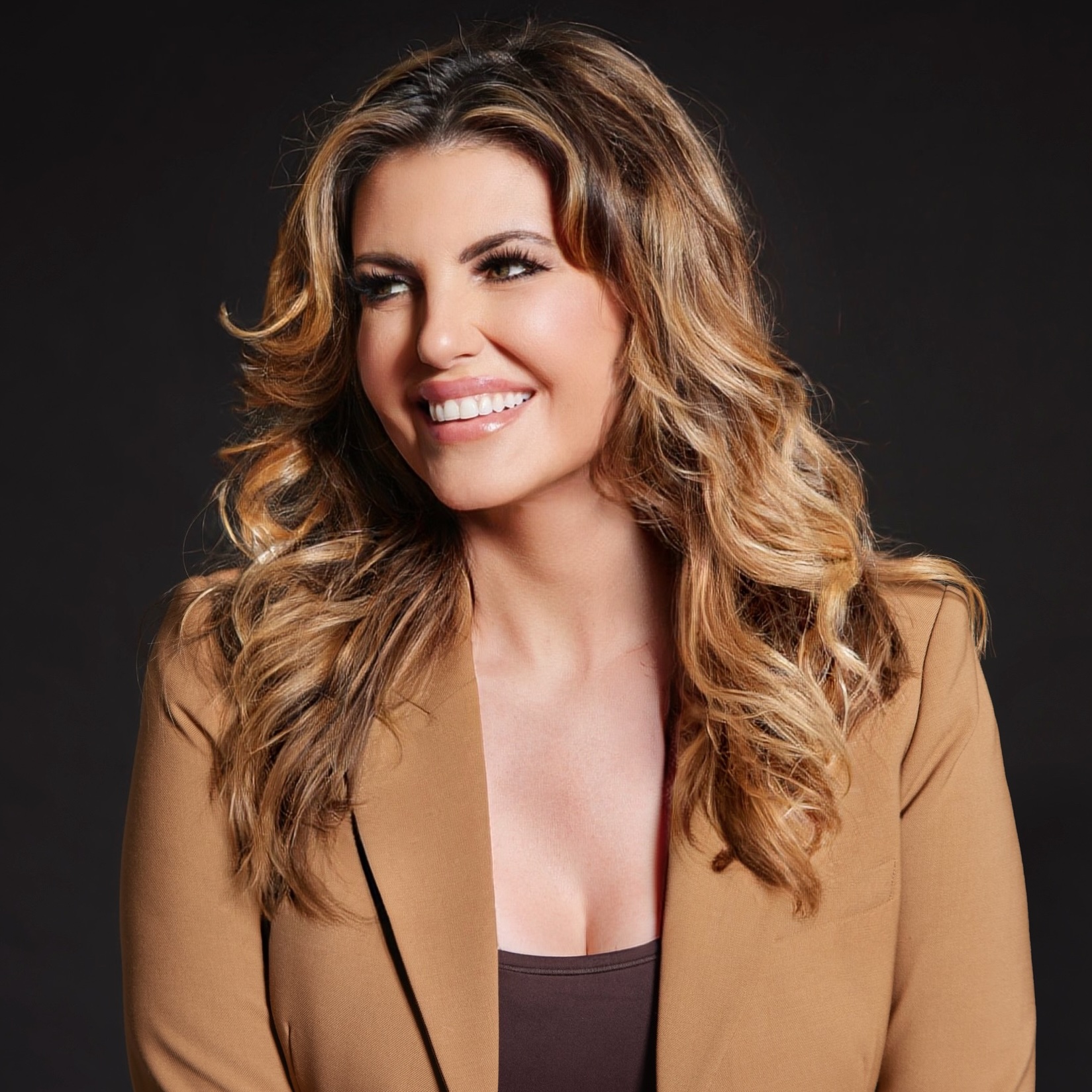
Cory is a licensed professional counselor and board-approved supervisor in Texas with extensive experience in mental health, crisis intervention, and relationship counseling. With a background in education and a Master’s in Counseling from Southern Methodist University, she specializes in supporting individuals, couples, and families. Beyond her clinical work, Cory is a dedicated community leader, having founded the nonprofit Together Richardson, acquired Richardson Living Magazine, and served on multiple leadership boards. She is passionate about blending professional expertise with faith-based mental health initiatives through her work with Beacon of Light.

Let's Begin

Better Begins
Start your journey with The Montfort Group.


