



What IVF Really Asks of a Marriage
May 26, 2026
There are certain kinds of grief people still struggle to talk about openly, and infertility is one of them. Most couples enter IVF carrying hope alongside exhaustion. After months or years of uncertainty, finally having a plan can feel relieving. There are appointments scheduled, medications ordered, decisions being made. Forward movement. But what many couples discover quickly is that IVF does not stay contained inside doctors’ offices and medical charts. It slowly moves into the emotional structure of the relationship itself.
In this episode of Therapist Unplugged, Laurie Poole sits down with Catherine and Tim, a couple who spent years navigating infertility, miscarriages, failed transfers, and the emotional unpredictability of IVF before eventually becoming parents. What makes the conversation compelling is not that it ends positively. It is the honesty they bring to how deeply the experience altered them individually and together. The episode stays grounded in the reality many couples quietly live through but rarely describe publicly: the strain, the grief, the loneliness, the resentment, the pressure on intimacy, and the exhausting emotional rhythm of repeated hope followed by disappointment.
When Your Relationship Starts Revolving Around Fertility
One of the first things Catherine reflects on is how little she understood about infertility before experiencing it herself. Like many people, she assumed IVF existed as a fairly reliable solution. Instead, they found themselves inside a process filled with uncertainty and very few clear answers. Their diagnosis was unexplained infertility, which created its own particular kind of emotional confusion. When test results continue coming back “normal,” people often turn inward looking for what they must somehow be missing or doing wrong. Laurie speaks to this dynamic thoughtfully during the episode, reflecting on how easy it becomes to disconnect from your own body when your lived experience and the medical language around you no longer seem to match.
What the episode captures particularly well is the cumulative nature of infertility. The process slowly begins organizing life around itself. There are injections, appointments before work, waiting periods, financial stress, endless calculations around timing, and the emotional unpredictability of every new cycle. Couples often find themselves functioning in survival mode for long stretches of time without realizing how depleted they have become. Grief also starts expanding beyond the obvious losses. People grieve miscarriages and failed transfers, but they also grieve the imagined timeline they thought their life would follow. They grieve ease. Spontaneity. The version of marriage they expected before intimacy became entangled with pressure, schedules, and medical intervention.
How Couples Start Carrying the Pain Differently
The conversation around marriage and intimacy is one of the strongest parts of the episode because it avoids simplifying the experience. Infertility affects both partners emotionally, even when those emotions look very different. Catherine and Tim describe learning over time how to grieve together instead of retreating separately into isolation. They talk openly about communication becoming harder during disappointment and about the challenge of staying emotionally connected while carrying something neither of them could control. Tim’s honesty throughout the episode is especially important because infertility conversations often leave very little room for men’s emotional experience. He speaks candidly about helplessness, anger, and even questioning his own identity and purpose if fatherhood never happened for them. There is something deeply human about hearing that spoken plainly rather than filtered into polished language.
The episode also touches carefully on how infertility reshapes intimacy inside a relationship. When ovulation schedules and treatment timelines begin dictating physical connection, couples can slowly lose access to the parts of intimacy that once felt spontaneous, playful, or emotionally grounding. Catherine reflects on wishing they had protected more space for simply enjoying each other during the process instead of allowing fertility treatment to consume every corner of the relationship. That tension is incredibly common and rarely discussed honestly. Couples often feel guilty acknowledging the strain because they are trying so hard to stay hopeful.
Continuing to Live While Waiting
Another thread running quietly underneath the conversation is isolation. Infertility can become socially disorienting very quickly. Baby announcements, casual conversations, holidays, and even simple questions from friends can begin carrying emotional weight people outside the experience often do not understand. Many couples start withdrawing without fully realizing it. Catherine and Tim both describe how meaningful it became once they began opening up more honestly with trusted people in their lives. They discovered how many others had quietly experienced similar grief. That did not erase the pain, but it interrupted some of the shame and loneliness surrounding it.
Toward the end of the episode, Laurie asks what actually helped them survive the process emotionally. Their answers are striking because they are so ordinary in the best possible way. Therapy. Journaling. Traveling. Concerts. Last minute trips. Finding small ways to remain connected to life outside infertility. Catherine says at one point that there were days when her only goal was simply making it through the day. There is something profoundly honest in that statement. People often assume resilience has to look inspiring or impressive, but much of the time resilience looks far quieter than that. It looks like continuing to care for your relationship while moving through uncertainty. It looks like remaining emotionally present when life refuses to cooperate with your plans.
After years of infertility, failed transfers, and loss, Catherine and Tim eventually conceived naturally. What gives the episode emotional credibility, though, is that they never frame their outcome as proof that persistence guarantees a happy ending. They speak thoughtfully about how much the experience changed their marriage regardless of where the story eventually landed. Near the end of the conversation, Tim reflects that what they endured was both one of the hardest experiences of their lives and one that transformed the way they loved each other. That complexity feels true to the reality of many couples who survive difficult seasons together. Pain changes relationships. Sometimes through distance. Sometimes through greater depth.
Infertility is usually discussed medically, but couples experience it relationally. It affects identity, communication, intimacy, emotional safety, grief, and the way people imagine their future. This episode offers something many couples quietly need while walking through IVF: a conversation honest enough to make people feel less alone inside an experience that can become painfully isolating.
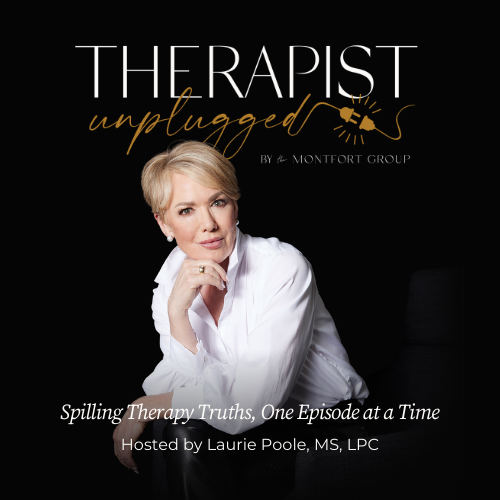
Hosted by Laurie Poole of The Montfort Group, this podcast pulls back the curtain on what really happens in and around the therapy room. No jargon, no perfection—just honest conversations about the messy, meaningful, and deeply human parts of life. We cover everything from burnout and boundaries to sex, shame, relationships, parenting, grief, identity shifts, and mental health in the modern world. Each episode features licensed therapists who get it—because we live it too.

Let's Begin

Better Begins
Start your journey with The Montfort Group.


