



Conflict and Repair in Relationships with Connie Cornwell
March 14, 2026
Conflict is a normal part of every partnership. But conflict and repair in relationships often determine whether couples grow stronger or become stuck in painful cycles.
Disagreements about parenting, work, communication styles, or expectations can quickly turn into patterns that feel difficult to break. But according to experienced couples therapist Connie Cornwell, conflict itself is not the biggest problem in relationships.
The real issue is whether couples know how to repair.
In this episode of Therapist Unplugged, Laurie Poole sits down with Connie Cornwell, LPC-S and LMFT-S, to talk about conflict and repair in relationships and why the ability to reconnect after disagreements may be the most important skill couples can develop.
Why Conflict Happens in Relationships
Many couples come to therapy because something in their relationship feels off. They may find themselves arguing more frequently, withdrawing from one another, or feeling misunderstood.
But underneath the conflict, there are often deeper dynamics at play.
Connie explains that many of these patterns come from family-of-origin experiences. The way we watched our parents handle conflict—or avoid it—often becomes the blueprint we carry into our own relationships.
Without realizing it, couples may repeat patterns they learned early in life.
Understanding this context can help partners step back and see their reactions differently.
The Dance of Conflict Between Partners
Couples therapists often talk about the “dance” partners fall into during conflict.
One partner may pursue, seeking answers or reassurance. The other may withdraw, needing space to regulate emotions. Over time, these roles can become fixed, creating a cycle that feels difficult to escape.
But as Connie explains, these roles are not permanent. They are fluid and dynamic, often shifting depending on the situation and emotional intensity in the moment.
Recognizing the pattern is the first step toward changing it.
Why Repair Matters More Than Being Right
One of the most important takeaways from this conversation is that repair matters more than winning an argument.
Repair happens when partners are able to pause, step back from their immediate reactions, and become curious about what the other person is experiencing.
This might mean asking a simple question like:
“Help me understand what this felt like for you.”
When couples begin to understand the emotional experiences driving each other’s reactions, it becomes easier to reconnect.
The Importance of Multiple Realities
Another key insight Connie shares is the importance of recognizing that more than one reality can exist in a relationship.
Each partner brings their own lived experiences, expectations, and emotional history into the relationship. When couples become locked into defending their own perspective, conflict escalates.
But when partners learn to consider that both realities can exist at the same time, space for understanding begins to open.
Therapy often helps couples slow these conversations down so each partner’s experience can be heard.
Choosing Love After Conflict
Perhaps the most powerful message from the episode is Connie’s reminder that repair ultimately comes down to a choice.
Couples must decide whether protecting the relationship matters more than winning the argument.
When partners choose connection over being right, they create room for repair.
That choice strengthens the bond that holds the relationship together over time.
Listen to the Full Conversation
If you want to learn more about conflict and repair in relationships, listen to Laurie Poole’s full conversation with Connie Cornwell on Therapist Unplugged.
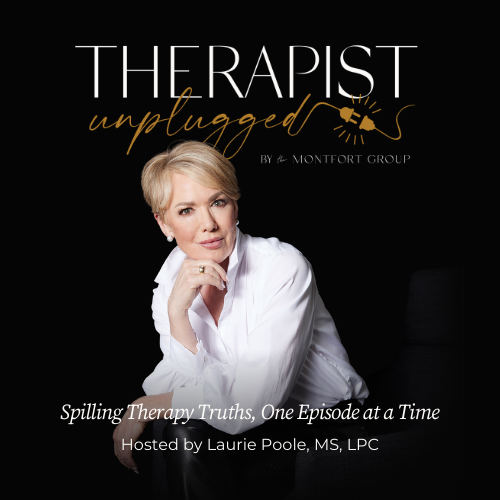
Hosted by Laurie Poole of The Montfort Group, this podcast pulls back the curtain on what really happens in and around the therapy room. No jargon, no perfection—just honest conversations about the messy, meaningful, and deeply human parts of life. We cover everything from burnout and boundaries to sex, shame, relationships, parenting, grief, identity shifts, and mental health in the modern world. Each episode features licensed therapists who get it—because we live it too.

Let's Begin

Better Begins
Start your journey with The Montfort Group.


